
Alcohol Use Effects on Men’s and Women’s Health Alcohol Use

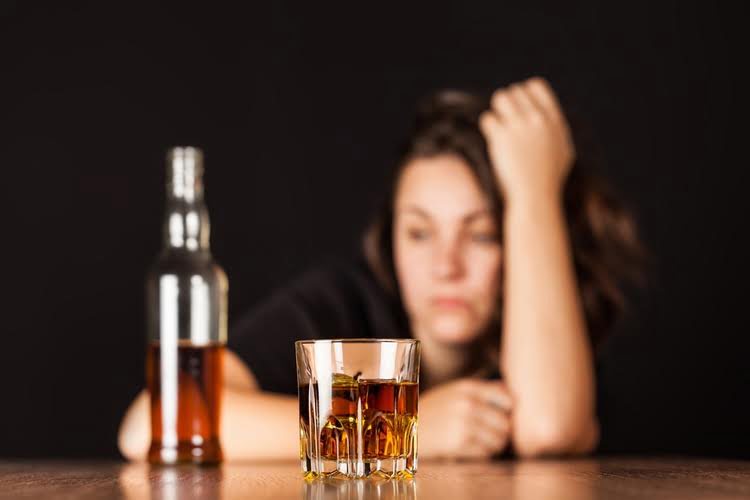
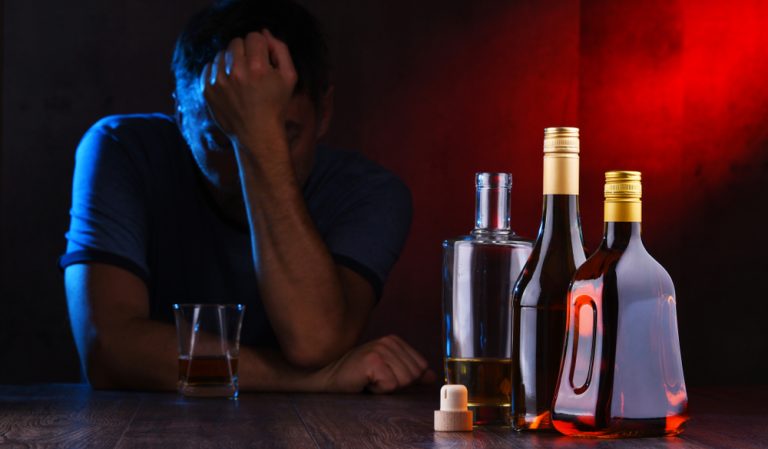
Someone with an alcohol addiction will continue to compulsively drink even when it begins to destroy their physical health, mental health, relationships, finances, and Substance abuse ability to function at work or school. You’re probably drinking routinely and in large amounts, or binge drinking, showing poor judgment while intoxicated. However, just because you are abusing alcohol does not always mean you have crossed the line into full addiction. When abusing alcohol, you may or may not have some ability to moderate your alcohol consumption or abstain for periods of time. Recognizing the signs early and seeking professional help can significantly improve the chances of overcoming dependence and restoring overall well-being.

What Are the Causes of Alcohol Abuse and Alcoholism?

  • Our  treatment center in Chicago, IL provides tailored care and support to guide you through recovery.
  • This disorder also involves having to drink more to get the same effect or having withdrawal symptoms when you rapidly decrease or stop drinking.
  • These include liver disease leading to liver cirrhosis, heart disease, and cancer.
  • When healthcare providers screen for this condition, they look at drinking behavior patterns within the last year to determine a diagnosis.

A person might need to be sedated “until withdrawal is complete” if it is extremely intense. Someone who just abuses alcohol regularly will not have to go through this, though they will probably need some treatment of their own. Alcohol can affect behaviors that increase the likelihood of acquiring or transmitting HIV to others. Alcohol may also speed HIV progression in people living with the disease, influence their engagement and retention in HIV treatment, and increase their susceptibility to organ damage and coinfections. If you have a concern that you have AUD, you can see a health professional for consultation.

Seeking Help and Treatment Options
how does alcohol abuse differ from alcoholism

Alcohol abuse, also what is the difference between alcohol abuse and alcoholism called problem drinking, occurs when drinking alcohol becomes an issue that creates negative consequences for a person. Recovery from problematic alcohol use or alcoholism often requires a comprehensive support system. There are numerous resources available to individuals seeking assistance or looking to connect with others who have had similar experiences. These resources can provide guidance, education, and ongoing support throughout the recovery process.

  • «Dependence» refers to being unable to stop drinking without experiencing withdrawal symptoms while «abuse» refers to continuing to consume alcohol despite adverse consequences.
  • Anxiety, depression, PTSD, and other conditions can make alcohol feel like a quick fix.
  • This article discusses alcohol use disorder symptoms and strategies for treatment and intervention.
  • Recovery from addiction, on the other hand, is never easy and necessitates a great deal of dedication and honesty.

Physical Dependence

With alcoholism, the most critical component for alcohol treatment is usually time. A person may need varying levels of care with ‘step-down’ levels to foster long-term sobriety. Alcohol misuse or abuse can lead to alcohol use disorder, a condition difficult to overcome without proper help, support, and treatment. Those abusing alcohol (or simply drinking too many drinks at one time or over a set period) may not develop alcohol dependence if they cut back on drinking.

If you feel shaky, nauseous, anxious, or restless after skipping alcohol, your body may have developed chronic alcohol dependence. Signs of alcohol abuse may involve repeated episodes of heavy drinking, often followed by arguments, missed duties, or feelings of regret. You might use alcohol to unwind or cope, but still manage to go without it at times. This pattern usually disrupts daily life, leading to arguments, missed work, or physical symptoms like sleep issues or headaches. Although you may not feel physically dependent on alcohol, repeated misuse can still create significant problems in many areas of your life.

Alcoholism, also known as an alcohol use disorder, is an addiction to alcohol. People with alcoholism have a physical and psychological dependence on alcohol and are unable to control their drinking. The difference between alcoholism and alcohol abuse lies in the severity and chronicity of the disease.

As alcohol abuse and alcoholism differ, so do the right treatment options for people with these conditions. However, with both alcohol abuse and alcoholism, these feelings are less effective over time as a person’s drinking habits increase. The appropriate treatment option will depend on various factors, including the individual’s unique circumstances and the severity of the alcohol-related concerns. Consulting with a healthcare professional is crucial in determining the most suitable course of action. When it comes to addressing alcohol-related concerns, seeking help and support is a crucial step towards a healthier and happier life. Whether you’re struggling with problematic alcohol use or alcoholism, there are resources available to assist you on your journey to recovery.
how does alcohol abuse differ from alcoholism

What is black tar heroin? Understanding the risks and realities of this potent drug

Through reliable resources, accessible services, and nurturing communities, we support greater self-understanding, authentic connection, and healthier lives. People with alcohol abuse or alcoholism may experience a range of short-term effects, such as impaired judgment, slurred speech, and coordination problems. Excessive alcohol use is a term used to describe four ways that people drink alcohol that can negatively impact health. This occurs when someone drinks a large amount of alcohol in a short period, overwhelming the body’s ability to process it. Symptoms of alcohol poisoning include confusion, vomiting, slow or irregular breathing, low body temperature, and unconsciousness.

Studies indicate that excessive alcohol consumption is a leading factor in domestic conflicts. 4 Couples where one or both partners engage in heavy drinking are significantly more likely to experience trust issues, frequent arguments, and emotional distance. Addressing alcohol-related issues through therapy or support groups can be helpful in preventing long-term damage to relationships. Alcohol dependence, on the other hand, typically develops over time from repeated alcohol abuse, with genetic, biological, and mental health factors playing a larger role. People with a family history of addiction, certain personality traits, or underlying mental health issues are at a higher risk of developing dependence, where they rely on alcohol both physically and mentally.

Alcohol Use Effects on Men’s and Women’s Health Alcohol Use

Someone with an alcohol addiction will continue to compulsively drink even when it begins to destroy their physical health, mental health, relationships, finances, and Substance abuse ability to function at work or school. You’re probably drinking routinely and in large amounts, or binge drinking, showing poor judgment while intoxicated. However, just because you are abusing alcohol does not always mean you have crossed the line into full addiction. When abusing alcohol, you may or may not have some ability to moderate your alcohol consumption or abstain for periods of time. Recognizing the signs early and seeking professional help can significantly improve the chances of overcoming dependence and restoring overall well-being.

What Are the Causes of Alcohol Abuse and Alcoholism?

  • Our  treatment center in Chicago, IL provides tailored care and support to guide you through recovery.
  • This disorder also involves having to drink more to get the same effect or having withdrawal symptoms when you rapidly decrease or stop drinking.
  • These include liver disease leading to liver cirrhosis, heart disease, and cancer.
  • When healthcare providers screen for this condition, they look at drinking behavior patterns within the last year to determine a diagnosis.

A person might need to be sedated “until withdrawal is complete” if it is extremely intense. Someone who just abuses alcohol regularly will not have to go through this, though they will probably need some treatment of their own. Alcohol can affect behaviors that increase the likelihood of acquiring or transmitting HIV to others. Alcohol may also speed HIV progression in people living with the disease, influence their engagement and retention in HIV treatment, and increase their susceptibility to organ damage and coinfections. If you have a concern that you have AUD, you can see a health professional for consultation.

Seeking Help and Treatment Options

how does alcohol abuse differ from alcoholism

Alcohol abuse, also what is the difference between alcohol abuse and alcoholism called problem drinking, occurs when drinking alcohol becomes an issue that creates negative consequences for a person. Recovery from problematic alcohol use or alcoholism often requires a comprehensive support system. There are numerous resources available to individuals seeking assistance or looking to connect with others who have had similar experiences. These resources can provide guidance, education, and ongoing support throughout the recovery process.

  • «Dependence» refers to being unable to stop drinking without experiencing withdrawal symptoms while «abuse» refers to continuing to consume alcohol despite adverse consequences.
  • Anxiety, depression, PTSD, and other conditions can make alcohol feel like a quick fix.
  • This article discusses alcohol use disorder symptoms and strategies for treatment and intervention.
  • Recovery from addiction, on the other hand, is never easy and necessitates a great deal of dedication and honesty.

Physical Dependence

With alcoholism, the most critical component for alcohol treatment is usually time. A person may need varying levels of care with ‘step-down’ levels to foster long-term sobriety. Alcohol misuse or abuse can lead to alcohol use disorder, a condition difficult to overcome without proper help, support, and treatment. Those abusing alcohol (or simply drinking too many drinks at one time or over a set period) may not develop alcohol dependence if they cut back on drinking.

If you feel shaky, nauseous, anxious, or restless after skipping alcohol, your body may have developed chronic alcohol dependence. Signs of alcohol abuse may involve repeated episodes of heavy drinking, often followed by arguments, missed duties, or feelings of regret. You might use alcohol to unwind or cope, but still manage to go without it at times. This pattern usually disrupts daily life, leading to arguments, missed work, or physical symptoms like sleep issues or headaches. Although you may not feel physically dependent on alcohol, repeated misuse can still create significant problems in many areas of your life.

Alcoholism, also known as an alcohol use disorder, is an addiction to alcohol. People with alcoholism have a physical and psychological dependence on alcohol and are unable to control their drinking. The difference between alcoholism and alcohol abuse lies in the severity and chronicity of the disease.

As alcohol abuse and alcoholism differ, so do the right treatment options for people with these conditions. However, with both alcohol abuse and alcoholism, these feelings are less effective over time as a person’s drinking habits increase. The appropriate treatment option will depend on various factors, including the individual’s unique circumstances and the severity of the alcohol-related concerns. Consulting with a healthcare professional is crucial in determining the most suitable course of action. When it comes to addressing alcohol-related concerns, seeking help and support is a crucial step towards a healthier and happier life. Whether you’re struggling with problematic alcohol use or alcoholism, there are resources available to assist you on your journey to recovery.

how does alcohol abuse differ from alcoholism

What is black tar heroin? Understanding the risks and realities of this potent drug

Through reliable resources, accessible services, and nurturing communities, we support greater self-understanding, authentic connection, and healthier lives. People with alcohol abuse or alcoholism may experience a range of short-term effects, such as impaired judgment, slurred speech, and coordination problems. Excessive alcohol use is a term used to describe four ways that people drink alcohol that can negatively impact health. This occurs when someone drinks a large amount of alcohol in a short period, overwhelming the body’s ability to process it. Symptoms of alcohol poisoning include confusion, vomiting, slow or irregular breathing, low body temperature, and unconsciousness.

Studies indicate that excessive alcohol consumption is a leading factor in domestic conflicts. 4 Couples where one or both partners engage in heavy drinking are significantly more likely to experience trust issues, frequent arguments, and emotional distance. Addressing alcohol-related issues through therapy or support groups can be helpful in preventing long-term damage to relationships. Alcohol dependence, on the other hand, typically develops over time from repeated alcohol abuse, with genetic, biological, and mental health factors playing a larger role. People with a family history of addiction, certain personality traits, or underlying mental health issues are at a higher risk of developing dependence, where they rely on alcohol both physically and mentally.
List of Celebrities Who Died from an Overdose

On October 4, 1970, the legendary rock star Janis Joplin was found dead in her Hollywood hotel room of an apparent heroin overdose combined with alcohol. Glee star Cory Monteith died of a heroin and alcohol overdose in 2013 at age 31. Friends famous people who died from drugs and family had tried to help him, but he had been unable to get clean.

famous people who died from drugs

Pantera’s Phil Anselmo; Substance Abuse and Behavior

  • This potent anesthetic can be lethal when misused, as it may halt breathing.
  • With her husky voice and dynamic stage energy, Janis Joplin etched her name into the annals of 1960s rock history.
  • A deadly combination of fentanyl and Xanax claimed the star’s life.
  • Jarad Anthony Higgins, known professionally as Juice Wrld, was also an American rapper.

A study published in the American Journal of Preventive Medicine shows that the rate of death from cocaine overdose began to rise sharply around 2012 and continued to rise through 2018. Benzodiazepines (BZD, BZs), sometimes called “benzos”, are a class of psychoactive drugs. In 2008, approximately 5.2% of US adults aged 18 to 80 years used benzodiazepines. The percentage who used benzodiazepines increased with age from 2.6% (18-35 years) to 5.4% (36-50 years) to 7.4% (51-64 years) to https://ecosoberhouse.com/ 8.7% (65-80 years).

famous people who died from drugs

After Opioid Addiction: 10 Celebrities’ Journey to Recovery

Despite her struggles and untimely death, her influence remains indisputable. Her efforts not only impacted the fashion industry but also the black community. Drug abuse has likely been a part of celebrity culture alcohol rehab since the very first celebrity. It seems like the more fame and adulation you have, the more likely you are to search for higher and higher highs.

Vincent Jackson

After dropping out of sight for years, he died alone in 2002 from a speedball overdose, with his body not found until two weeks later. ” or “Rooster” right now and it still sounds like he’s singing from some dark place most of us are lucky enough never to visit. Movies got a whole lot richer when Philip Seymour Hoffman brought his incredible depth to both indie films and blockbusters. His performance in Capote wasn’t just good acting – it was like he’d channeled the guy’s spirit.

List of Celebrities Who Died from an Overdose

On October 4, 1970, the legendary rock star Janis Joplin was found dead in her Hollywood hotel room of an apparent heroin overdose combined with alcohol. Glee star Cory Monteith died of a heroin and alcohol overdose in 2013 at age 31. Friends famous people who died from drugs and family had tried to help him, but he had been unable to get clean.

famous people who died from drugs

Pantera’s Phil Anselmo; Substance Abuse and Behavior

  • This potent anesthetic can be lethal when misused, as it may halt breathing.
  • With her husky voice and dynamic stage energy, Janis Joplin etched her name into the annals of 1960s rock history.
  • A deadly combination of fentanyl and Xanax claimed the star’s life.
  • Jarad Anthony Higgins, known professionally as Juice Wrld, was also an American rapper.

A study published in the American Journal of Preventive Medicine shows that the rate of death from cocaine overdose began to rise sharply around 2012 and continued to rise through 2018. Benzodiazepines (BZD, BZs), sometimes called “benzos”, are a class of psychoactive drugs. In 2008, approximately 5.2% of US adults aged 18 to 80 years used benzodiazepines. The percentage who used benzodiazepines increased with age from 2.6% (18-35 years) to 5.4% (36-50 years) to 7.4% (51-64 years) to https://ecosoberhouse.com/ 8.7% (65-80 years).

famous people who died from drugs

After Opioid Addiction: 10 Celebrities’ Journey to Recovery

Despite her struggles and untimely death, her influence remains indisputable. Her efforts not only impacted the fashion industry but also the black community. Drug abuse has likely been a part of celebrity culture alcohol rehab since the very first celebrity. It seems like the more fame and adulation you have, the more likely you are to search for higher and higher highs.

Vincent Jackson

After dropping out of sight for years, he died alone in 2002 from a speedball overdose, with his body not found until two weeks later. ” or “Rooster” right now and it still sounds like he’s singing from some dark place most of us are lucky enough never to visit. Movies got a whole lot richer when Philip Seymour Hoffman brought his incredible depth to both indie films and blockbusters. His performance in Capote wasn’t just good acting – it was like he’d channeled the guy’s spirit.

List of Celebrities Who Died from an Overdose

On October 4, 1970, the legendary rock star Janis Joplin was found dead in her Hollywood hotel room of an apparent heroin overdose combined with alcohol. Glee star Cory Monteith died of a heroin and alcohol overdose in 2013 at age 31. Friends famous people who died from drugs and family had tried to help him, but he had been unable to get clean.

famous people who died from drugs

Pantera’s Phil Anselmo; Substance Abuse and Behavior

  • This potent anesthetic can be lethal when misused, as it may halt breathing.
  • With her husky voice and dynamic stage energy, Janis Joplin etched her name into the annals of 1960s rock history.
  • A deadly combination of fentanyl and Xanax claimed the star’s life.
  • Jarad Anthony Higgins, known professionally as Juice Wrld, was also an American rapper.

A study published in the American Journal of Preventive Medicine shows that the rate of death from cocaine overdose began to rise sharply around 2012 and continued to rise through 2018. Benzodiazepines (BZD, BZs), sometimes called “benzos”, are a class of psychoactive drugs. In 2008, approximately 5.2% of US adults aged 18 to 80 years used benzodiazepines. The percentage who used benzodiazepines increased with age from 2.6% (18-35 years) to 5.4% (36-50 years) to 7.4% (51-64 years) to https://ecosoberhouse.com/ 8.7% (65-80 years).

famous people who died from drugs

After Opioid Addiction: 10 Celebrities’ Journey to Recovery

Despite her struggles and untimely death, her influence remains indisputable. Her efforts not only impacted the fashion industry but also the black community. Drug abuse has likely been a part of celebrity culture alcohol rehab since the very first celebrity. It seems like the more fame and adulation you have, the more likely you are to search for higher and higher highs.

Vincent Jackson

After dropping out of sight for years, he died alone in 2002 from a speedball overdose, with his body not found until two weeks later. ” or “Rooster” right now and it still sounds like he’s singing from some dark place most of us are lucky enough never to visit. Movies got a whole lot richer when Philip Seymour Hoffman brought his incredible depth to both indie films and blockbusters. His performance in Capote wasn’t just good acting – it was like he’d channeled the guy’s spirit.

List of Celebrities Who Died from an Overdose

On October 4, 1970, the legendary rock star Janis Joplin was found dead in her Hollywood hotel room of an apparent heroin overdose combined with alcohol. Glee star Cory Monteith died of a heroin and alcohol overdose in 2013 at age 31. Friends famous people who died from drugs and family had tried to help him, but he had been unable to get clean.

famous people who died from drugs

Pantera’s Phil Anselmo; Substance Abuse and Behavior

  • This potent anesthetic can be lethal when misused, as it may halt breathing.
  • With her husky voice and dynamic stage energy, Janis Joplin etched her name into the annals of 1960s rock history.
  • A deadly combination of fentanyl and Xanax claimed the star’s life.
  • Jarad Anthony Higgins, known professionally as Juice Wrld, was also an American rapper.

A study published in the American Journal of Preventive Medicine shows that the rate of death from cocaine overdose began to rise sharply around 2012 and continued to rise through 2018. Benzodiazepines (BZD, BZs), sometimes called “benzos”, are a class of psychoactive drugs. In 2008, approximately 5.2% of US adults aged 18 to 80 years used benzodiazepines. The percentage who used benzodiazepines increased with age from 2.6% (18-35 years) to 5.4% (36-50 years) to 7.4% (51-64 years) to https://ecosoberhouse.com/ 8.7% (65-80 years).

famous people who died from drugs

After Opioid Addiction: 10 Celebrities’ Journey to Recovery

Despite her struggles and untimely death, her influence remains indisputable. Her efforts not only impacted the fashion industry but also the black community. Drug abuse has likely been a part of celebrity culture alcohol rehab since the very first celebrity. It seems like the more fame and adulation you have, the more likely you are to search for higher and higher highs.

Vincent Jackson

After dropping out of sight for years, he died alone in 2002 from a speedball overdose, with his body not found until two weeks later. ” or “Rooster” right now and it still sounds like he’s singing from some dark place most of us are lucky enough never to visit. Movies got a whole lot richer when Philip Seymour Hoffman brought his incredible depth to both indie films and blockbusters. His performance in Capote wasn’t just good acting – it was like he’d channeled the guy’s spirit.

List of Celebrities Who Died from an Overdose

On October 4, 1970, the legendary rock star Janis Joplin was found dead in her Hollywood hotel room of an apparent heroin overdose combined with alcohol. Glee star Cory Monteith died of a heroin and alcohol overdose in 2013 at age 31. Friends famous people who died from drugs and family had tried to help him, but he had been unable to get clean.

famous people who died from drugs

Pantera’s Phil Anselmo; Substance Abuse and Behavior

  • This potent anesthetic can be lethal when misused, as it may halt breathing.
  • With her husky voice and dynamic stage energy, Janis Joplin etched her name into the annals of 1960s rock history.
  • A deadly combination of fentanyl and Xanax claimed the star’s life.
  • Jarad Anthony Higgins, known professionally as Juice Wrld, was also an American rapper.

A study published in the American Journal of Preventive Medicine shows that the rate of death from cocaine overdose began to rise sharply around 2012 and continued to rise through 2018. Benzodiazepines (BZD, BZs), sometimes called “benzos”, are a class of psychoactive drugs. In 2008, approximately 5.2% of US adults aged 18 to 80 years used benzodiazepines. The percentage who used benzodiazepines increased with age from 2.6% (18-35 years) to 5.4% (36-50 years) to 7.4% (51-64 years) to https://ecosoberhouse.com/ 8.7% (65-80 years).

famous people who died from drugs

After Opioid Addiction: 10 Celebrities’ Journey to Recovery

Despite her struggles and untimely death, her influence remains indisputable. Her efforts not only impacted the fashion industry but also the black community. Drug abuse has likely been a part of celebrity culture alcohol rehab since the very first celebrity. It seems like the more fame and adulation you have, the more likely you are to search for higher and higher highs.

Vincent Jackson

After dropping out of sight for years, he died alone in 2002 from a speedball overdose, with his body not found until two weeks later. ” or “Rooster” right now and it still sounds like he’s singing from some dark place most of us are lucky enough never to visit. Movies got a whole lot richer when Philip Seymour Hoffman brought his incredible depth to both indie films and blockbusters. His performance in Capote wasn’t just good acting – it was like he’d channeled the guy’s spirit.

List of Celebrities Who Died from an Overdose

On October 4, 1970, the legendary rock star Janis Joplin was found dead in her Hollywood hotel room of an apparent heroin overdose combined with alcohol. Glee star Cory Monteith died of a heroin and alcohol overdose in 2013 at age 31. Friends famous people who died from drugs and family had tried to help him, but he had been unable to get clean.

famous people who died from drugs

Pantera’s Phil Anselmo; Substance Abuse and Behavior

  • This potent anesthetic can be lethal when misused, as it may halt breathing.
  • With her husky voice and dynamic stage energy, Janis Joplin etched her name into the annals of 1960s rock history.
  • A deadly combination of fentanyl and Xanax claimed the star’s life.
  • Jarad Anthony Higgins, known professionally as Juice Wrld, was also an American rapper.

A study published in the American Journal of Preventive Medicine shows that the rate of death from cocaine overdose began to rise sharply around 2012 and continued to rise through 2018. Benzodiazepines (BZD, BZs), sometimes called “benzos”, are a class of psychoactive drugs. In 2008, approximately 5.2% of US adults aged 18 to 80 years used benzodiazepines. The percentage who used benzodiazepines increased with age from 2.6% (18-35 years) to 5.4% (36-50 years) to 7.4% (51-64 years) to https://ecosoberhouse.com/ 8.7% (65-80 years).

famous people who died from drugs

After Opioid Addiction: 10 Celebrities’ Journey to Recovery

Despite her struggles and untimely death, her influence remains indisputable. Her efforts not only impacted the fashion industry but also the black community. Drug abuse has likely been a part of celebrity culture alcohol rehab since the very first celebrity. It seems like the more fame and adulation you have, the more likely you are to search for higher and higher highs.

Vincent Jackson

After dropping out of sight for years, he died alone in 2002 from a speedball overdose, with his body not found until two weeks later. ” or “Rooster” right now and it still sounds like he’s singing from some dark place most of us are lucky enough never to visit. Movies got a whole lot richer when Philip Seymour Hoffman brought his incredible depth to both indie films and blockbusters. His performance in Capote wasn’t just good acting – it was like he’d channeled the guy’s spirit.

Does Alcohol Count as Fluid?

While the dehydrating effects of alcohol are mild, the effects are cumulative, meaning the more you drink, the more dehydrated you may become. Several factors influence how much alcohol dehydrates you. Your body weight, individual tolerance, metabolism, and even your current hydration status all play a role. Someone who is already slightly dehydrated before drinking will feel the effects of alcohol’s diuretic properties more intensely. Similarly, someone with a faster metabolism might process alcohol more quickly, leading to increased urination and faster dehydration. It’s important to remember that even moderate alcohol consumption can cause some level of dehydration, so staying mindful of your intake is key.

Common Questions About Alcohol And Dehydration

It all comes down to how alcohol interacts with your body’s natural hydration processes. Consuming food alongside your drink can slow absorption and reduce diuretic effects. Aim for no more than one 5-ounce serving of your preferred choice per day. This can help mitigate potential negative effects on fluid balance. While tea tends to have less caffeine than coffee, increased tea consumption can still contribute to the total amount of caffeine a person has each day and yield dehydration.

does wine dehydrate you

DripDrop Bold Variety Pack Electrolyte Powder

Your body’s metabolic rate may be able to turn some amount of the alcohol into nutrients or energy, but it only Substance abuse occurs at a rate of about one glass of wine per hour. Water is flushed out much faster than alcohol is processed. This can increase your BAC significantly if you don’t replenish your body’s supply with a few sips of water as you drink. So what can you do to make sure you don’t get that infamous hangover headache caused by dehydration? Let’s find out and get a little background on why alcohol dehydrates you in the first place.

Other risks of alcohol consumption

  • Severe dehydration can lead to various health risks, such as electrolyte imbalances, impaired cognitive function, increased heart rate, and reduced kidney function.
  • Beer contains alcohol, which is a significant factor in its dehydrating effects.
  • Avoid sugary drinks like soda or caffeinated beverages like coffee, as these can further dehydrate you.

These aromatic compounds, known as esters and other flavor compounds, give wine https://ecosoberhouse.com/ its distinct bouquet. When wine is heated or dehydrated, these volatile aromas are lost, greatly diminishing the character and complexity of the drink. This belief likely comes from the fact that alcohol is a diuretic, meaning it makes you pee.

  • One large study found excessive alcohol consumption is linked to accelerated facial aging.
  • The more alcohol you drink, the slower the rate of vasopressin that is produced.
  • The alcohol loses two hydrogen atoms and one oxygen atom per each atom, because the water content is leaving the alcohol – thereby dehydrating it.
  • We’ll examine the role of vasopressin, a key hormone in fluid regulation, and discuss how alcohol disrupts its function.

does wine dehydrate you

«Everyone tracks food. How often do we track our water intake?» he asks. This isn’t just an old wives’ tale; it’s one of the simplest and most effective things you can do. The «one-for-one» rule—that is, having a glass of water for every alcoholic drink—is popular for a very good reason.

Recipes for Mediterranean Dishes and Beer Cocktails: Pairing Guide and Flavor Profiles

It’s a small molecule and gets very quickly through the walls of the gut into the bloodstream and then to the brain. But over time, too much alcohol can set off diabetes and malnutrition, and diseases of the central nervous system and the liver. I am a passionate beer connoisseur with a deep appreciation for the art and science of brewing. Finally, always consult with a healthcare professional if unsure about your consumption and its effects on health. Individual physiology varies, and does wine dehydrate you personalized advice can be invaluable.

does wine dehydrate you

Alcohol By Volume and Its Impact

This is likely because of the interaction of sugar and water within the cells. Higher sugar intake causes the cells in the body to transfer more water and increase urination. Research from 2016 found that the sensation of a cool, carbonated beverage makes people think the beverage quenches thirst better. This can lead to drinking less additional liquid after having a drink such as a soda, which could make the effects of dehydration worse. Wine generally has a higher alcohol content than beer and cider, which may contribute to the likeliness of more frequent urination and dehydration. The alcohol content of wine can vary from about 10–20% ABV.

Does Alcohol Count as Fluid?

While the dehydrating effects of alcohol are mild, the effects are cumulative, meaning the more you drink, the more dehydrated you may become. Several factors influence how much alcohol dehydrates you. Your body weight, individual tolerance, metabolism, and even your current hydration status all play a role. Someone who is already slightly dehydrated before drinking will feel the effects of alcohol’s diuretic properties more intensely. Similarly, someone with a faster metabolism might process alcohol more quickly, leading to increased urination and faster dehydration. It’s important to remember that even moderate alcohol consumption can cause some level of dehydration, so staying mindful of your intake is key.

Common Questions About Alcohol And Dehydration

It all comes down to how alcohol interacts with your body’s natural hydration processes. Consuming food alongside your drink can slow absorption and reduce diuretic effects. Aim for no more than one 5-ounce serving of your preferred choice per day. This can help mitigate potential negative effects on fluid balance. While tea tends to have less caffeine than coffee, increased tea consumption can still contribute to the total amount of caffeine a person has each day and yield dehydration.

does wine dehydrate you

DripDrop Bold Variety Pack Electrolyte Powder

Your body’s metabolic rate may be able to turn some amount of the alcohol into nutrients or energy, but it only Substance abuse occurs at a rate of about one glass of wine per hour. Water is flushed out much faster than alcohol is processed. This can increase your BAC significantly if you don’t replenish your body’s supply with a few sips of water as you drink. So what can you do to make sure you don’t get that infamous hangover headache caused by dehydration? Let’s find out and get a little background on why alcohol dehydrates you in the first place.

Other risks of alcohol consumption

  • Severe dehydration can lead to various health risks, such as electrolyte imbalances, impaired cognitive function, increased heart rate, and reduced kidney function.
  • Beer contains alcohol, which is a significant factor in its dehydrating effects.
  • Avoid sugary drinks like soda or caffeinated beverages like coffee, as these can further dehydrate you.

These aromatic compounds, known as esters and other flavor compounds, give wine https://ecosoberhouse.com/ its distinct bouquet. When wine is heated or dehydrated, these volatile aromas are lost, greatly diminishing the character and complexity of the drink. This belief likely comes from the fact that alcohol is a diuretic, meaning it makes you pee.

  • One large study found excessive alcohol consumption is linked to accelerated facial aging.
  • The more alcohol you drink, the slower the rate of vasopressin that is produced.
  • The alcohol loses two hydrogen atoms and one oxygen atom per each atom, because the water content is leaving the alcohol – thereby dehydrating it.
  • We’ll examine the role of vasopressin, a key hormone in fluid regulation, and discuss how alcohol disrupts its function.

does wine dehydrate you

«Everyone tracks food. How often do we track our water intake?» he asks. This isn’t just an old wives’ tale; it’s one of the simplest and most effective things you can do. The «one-for-one» rule—that is, having a glass of water for every alcoholic drink—is popular for a very good reason.

Recipes for Mediterranean Dishes and Beer Cocktails: Pairing Guide and Flavor Profiles

It’s a small molecule and gets very quickly through the walls of the gut into the bloodstream and then to the brain. But over time, too much alcohol can set off diabetes and malnutrition, and diseases of the central nervous system and the liver. I am a passionate beer connoisseur with a deep appreciation for the art and science of brewing. Finally, always consult with a healthcare professional if unsure about your consumption and its effects on health. Individual physiology varies, and does wine dehydrate you personalized advice can be invaluable.

does wine dehydrate you

Alcohol By Volume and Its Impact

This is likely because of the interaction of sugar and water within the cells. Higher sugar intake causes the cells in the body to transfer more water and increase urination. Research from 2016 found that the sensation of a cool, carbonated beverage makes people think the beverage quenches thirst better. This can lead to drinking less additional liquid after having a drink such as a soda, which could make the effects of dehydration worse. Wine generally has a higher alcohol content than beer and cider, which may contribute to the likeliness of more frequent urination and dehydration. The alcohol content of wine can vary from about 10–20% ABV.