

Understanding US Sanctions A Comprehensive Overview

Understanding US Sanctions: A Comprehensive Overview
The use of sanctions as a tool for foreign policy has become increasingly prevalent in the United States since the end of the Cold War. These measures, which can take various forms, are designed to exert economic pressure on nations, entities, or individuals deemed to threaten U.S. national security or violate international laws. For a detailed exploration of U.S. sanctions, you can visit the following resource: US sanctions https://lhfministries.org/media/pgs/?us-sanctions-full-overview.html. Understanding the effectiveness and implications of these sanctions is crucial for those interested in global politics.
Historical Context of US Sanctions
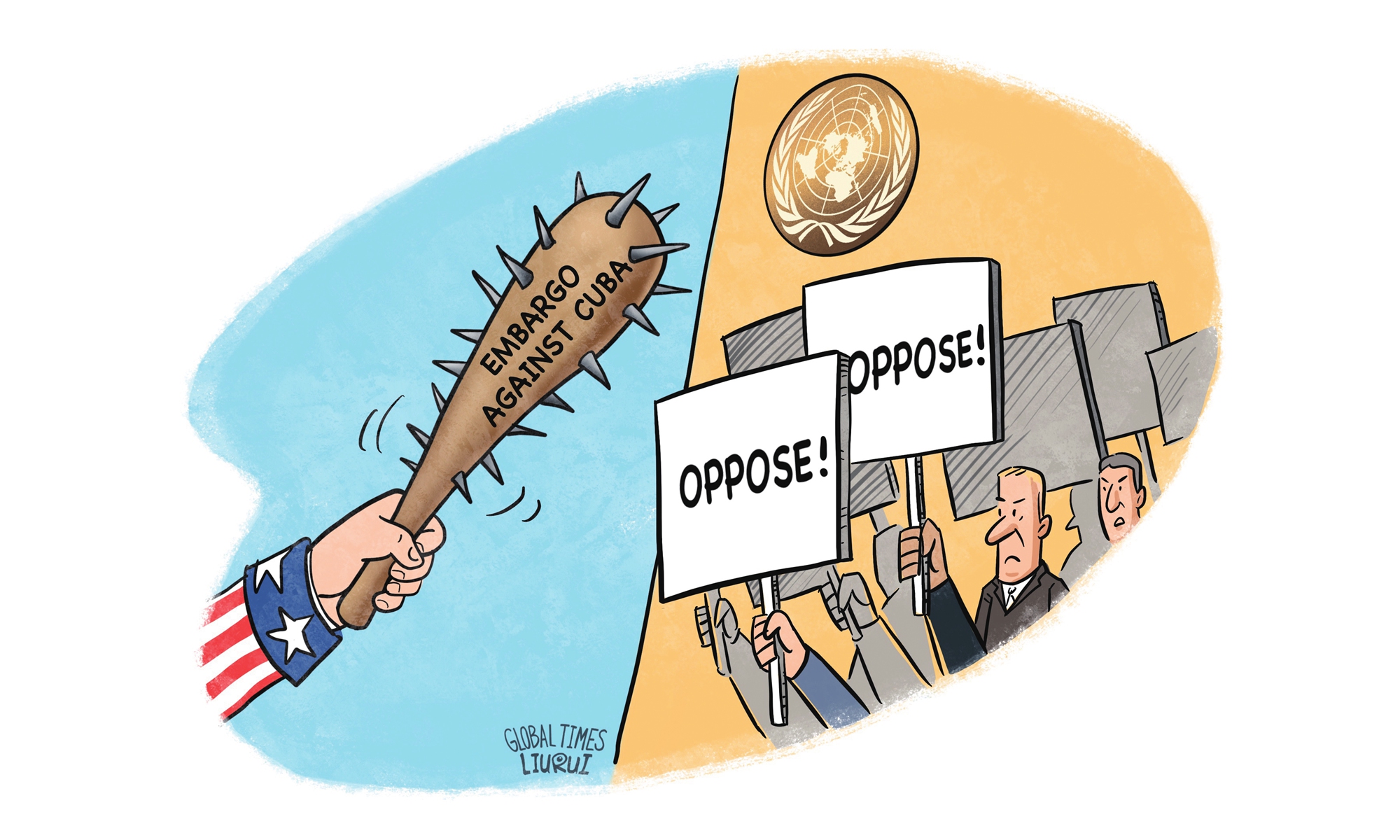
The origins of U.S. sanctions can be traced back to the early 20th century. However, their use expanded significantly during the Cold War, as the U.S. aimed to contain the spread of communism by imposing economic restrictions on countries like Cuba and North Korea. Over the years, U.S. sanctions have evolved to address a variety of issues, including human rights abuses, terrorism, and nuclear proliferation.
Types of US Sanctions
1. Economic Sanctions
Economic sanctions are the most common form and typically involve restrictions on trade, investment, and financial transactions. These may include comprehensive sanctions that target entire economies or targeted sanctions that focus on specific sectors, like energy or finance.
2. Diplomatic Sanctions
These sanctions involve the reduction or elimination of diplomatic ties with a country. Actions may include expelling diplomats or cutting off communication channels, which can significantly affect international relations.
3. Military Sanctions
Military sanctions may involve arms embargoes or restrictions on military cooperation. These measures aim to prevent a targeted nation from acquiring weapons and military technologies that could be used against the U.S. or its allies.
4. Travel Bans
Travel bans prevent specific individuals, often political leaders or business elites, from entering the U.S. These measures intend to hold them accountable for their actions and signal disapproval of their behaviors.
Implications for International Relations
The imposition of U.S. sanctions can have far-reaching consequences, not just for the targeted nation but also for U.S. allies and international relations as a whole. While sanctions may succeed in isolating rogue nations economically, they can also lead to unintended consequences, such as increased anti-American sentiment and strengthened ties between the targeted country and U.S. adversaries.
The Effectiveness of US Sanctions
The effectiveness of U.S. sanctions
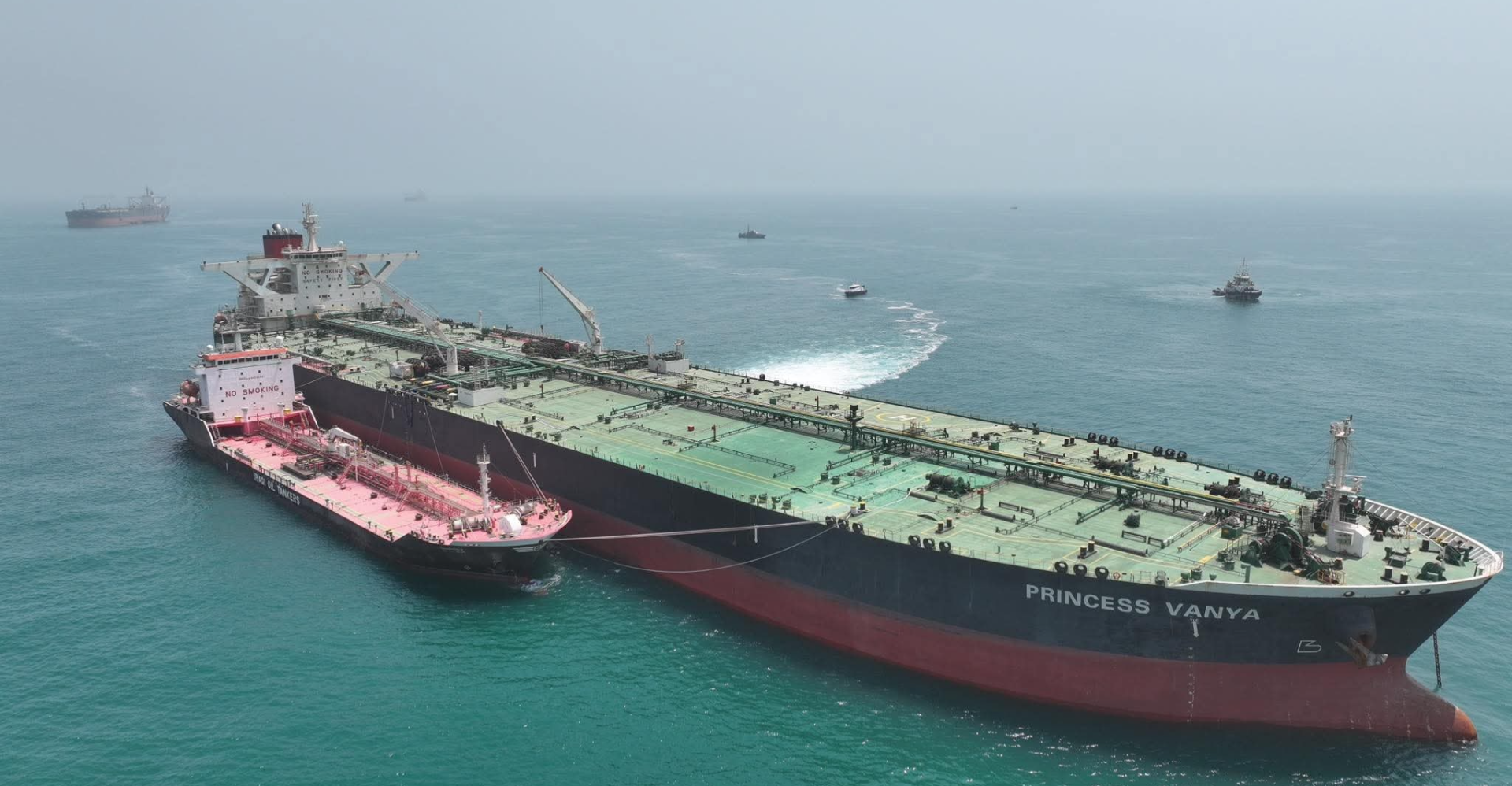
is a topic of considerable debate among policymakers and scholars. While sanctions are often touted as a non-military means of achieving foreign policy objectives, their success can vary based on several factors:
- Target Country: The economic resilience and political structure of the targeted nation significantly influence the effectiveness of sanctions. Nations with diversified economies or strong military backing may withstand sanctions more effectively.
- Global Cooperation: The success of sanctions often depends on the cooperation of other nations. If major economies do not enforce similar restrictions, targeted countries may still access global markets, undermining the sanctions.
- Public Sentiment: The impact of sanctions on the civilian population can also determine their effectiveness. Often, sanctions lead to economic hardship for ordinary citizens rather than the political elite, which can create resentment and backlash against the U.S.
The Role of the United Nations
The United Nations plays a critical role in the implementation and legitimacy of international sanctions. While the U.S. can impose unilateral sanctions, multilateral sanctions sanctioned by the UN Security Council tend to carry more weight and legitimacy. However, securing consensus among the permanent members of the Security Council can be challenging, as geopolitical interests often conflict.
Recent Developments
In recent years, the U.S. has turned to sanctions more frequently as part of its national security strategy. Notable recent sanctions include those against Iran concerning its nuclear program, North Korea over its missile tests, and Russia following its annexation of Crimea. These sanction regimes highlight the evolving nature of international diplomacy and the ways in which the U.S. seeks to navigate complex global challenges.
Conclusion
U.S. sanctions remain a pivotal component of American foreign policy, serving as a tool to influence global behavior and uphold international norms. Nonetheless, as the landscape of geopolitical relations continues to shift, the effectiveness and ramifications of sanctions must be evaluated within a broader context of international cooperation and conflict. Understanding these sanctions, their origins, and their evolving nature is crucial for navigating the complexities of modern global politics.